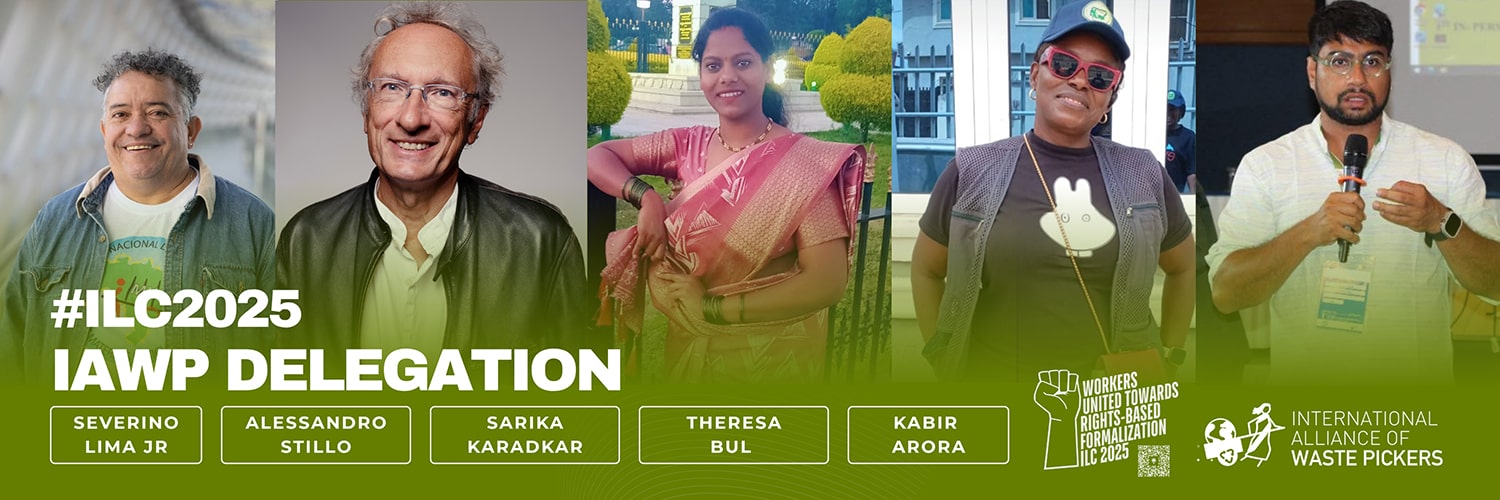
In June 2025, the International Labour Organization (ILO) hosted a pivotal series of discussions addressing three urgent dimensions of the world of work: the transition from informality to formality, labor standards in the platform economy, and protections against biological hazards. The International Alliance of Waste Pickers (IAWP) played an active and strategic role across all three panels, ensuring the perspectives of informal workers were firmly embedded in the global labor agenda.
Panel 1: Addressing Informality and Promoting the Transition to Formality
The first panel emphasized the global scale and urgency of tackling informality, which affects nearly 60% of workers and 80% of enterprises worldwide. Despite the adoption of Recommendation No. 204, progress has been slow, especially for vulnerable groups. IAWP highlighted the necessity of inclusive strategies that ensure waste pickers are not left behind. Sarika, a waste picker and IAWP delegate, reflected: “The inclusivity and the solidarity shown within the workers group stuck out to me. Each voice and each experience was heard with equal interest. We entered the conference as waste pickers but we left as workers.” The alliance advocated for stronger governance, access to social protection, and grassroots inclusion in policy design.
Discover the complete conclusions by accessing the full document here.
Panel 2: Regulating the Platform Economy
The second panel focused on a groundbreaking new Convention to regulate digital labor platforms. The ILO’s proposed legal framework introduces binding standards to protect platform workers—regardless of employment classification. IAWP voiced strong support for the Convention while calling for the inclusion of own-account workers and informal service providers. Kabir Arora, representing IAWP, stated: “We welcome the decision of the ILO’s members to establish a Convention that champions the rights of platform economy workers. We are eager for this convention to prioritize the needs of our own account workers and ensure that the platform economy uplifts rather than displaces those who provide similar services outside of this system.”
Discover the complete conclusions by accessing the full document here.
Panel 3: Convention on Biological Hazards in the Working Environment
The third panel presented the adoption of the first global legal instrument focused on biological hazards at work. While more technical in scope, IAWP emphasized the importance of including waste pickers—often exposed to biohazards through waste handling—in national protections. The alliance called for the full recognition of high-risk informal workers in national prevention and compensation systems. Through these three panels, IAWP reaffirmed its role as a vital actor in shaping international labor standards, ensuring that informal and marginalized workers are not only visible, but central to the future of decent work.
Discover the complete conclusions by accessing the full document here.
At the International Alliance of Waste Pickers, we work tirelessly toward a green future—one that guarantees labor rights and full recognition of our work. If you are part of a waste picker organization, don’t hesitate to reach out to us here. We’d love to connect.
Welcome to our new affiliates
Welcome BaSiRCA (Philippines)!
The Bagong Silangan Resource Collector Association (BaSiRCA) is a waste pickers’ association based in Barangay Bagong Silangan, Quezon City, Philippines. Established on August 24, 2022, and formally registered with the Department of Labor and Employment (DOLE), BaSiRCA was organized through a collaboration between the Ecological Waste Coalition of the Philippines and World Vision as part of the PHINLA global program. The association has a total of 82 members, consisting of 72 women and 10 men, all of whom are involved in collecting or storing recyclables. BaSiRCA conducts monthly financial reporting and involves its members in decision-making through general assemblies, voting, committee representation, and regular consultations. Its mission is to promote proper waste management as a livelihood opportunity, strengthen solidarity among environmental stewards, and uphold the dignity of waste pickers. The organization envisions becoming a strong, income-generating body that contributes to environmental cleanliness and community welfare.
Welcome KKIRCA (Phillippines)!
The Kabulig sa Kinaiyahan Resource Collectors Association (KKIRCA) is a community-based organization of waste pickers based in Cugman, Cagayan de Oro City, Philippines. Formally registered with the Department of Labor and Employment (DOLE) in March 2023, the association was established in December 2020. It is composed of 100 members—all of whom are waste pickers—with a gender distribution of 65 women and 35 men. KKIRCA is affiliated with the Ecowaste Coalition and conducts regular monthly financial reporting. The organization is governed by elected leaders who serve a term of three years and are selected through democratic elections. The mission of KKIRCA is to empower resource collectors through ethical and sustainable waste management practices, education, and advocacy, aiming to enhance livelihoods while preserving natural ecosystems and promoting community well-being.
Welcome RENARBOL (Bolivia)!
The Red Nacional de Recicladores de Bolivia (RENARBOL) is a national network of recyclers in Bolivia dedicated to promoting the social and economic inclusion of waste collectors and their families. Formed in 2024 and currently in the process of formal registration with the Bolivian Vice Ministry of Autonomy, RENARBOL represents a collective of 393 members, comprising 229 women and 164 men, all of whom are recyclers. Operating in multiple cities including La Paz, Cochabamba, Santa Cruz, Oruro, Sucre, Potosí, and Tarija, the organization is governed by a democratically elected board with two-year terms. RENARBOL ensures member participation through general assemblies, bi-monthly delegate meetings, and monthly board sessions. Its mission is to improve the quality of work and dignity of recyclers by promoting cooperation, sustainable projects, fair pricing, and integration into municipal waste systems. The network is affiliated with the LACRE Network and emphasizes community empowerment, technical training, and formalization of partnerships with public and private institutions.
Welcome ZWPP (Zimbabwe)!
The Zimbabwe Waste Pickers Platform (ZWPP) is a national movement dedicated to empowering and advocating for waste pickers across Zimbabwe. Founded in 2024 and formally registered in 2025, ZWPP addresses environmental and socio-economic challenges by promoting waste valorization and policy reform, especially in regions like the Odzi River watershed. With 260 members—200 of whom are waste pickers—it operates across major cities including Harare, Bulawayo, and Mutare. As an affiliate of The Eastern Caucas (TECA), ZWPP champions sustainable development and aligns with Zimbabwe’s National Environmental Policy and Vision 2030. Its mission is to unite and uplift waste pickers, ensuring their inclusion in formal systems while recognizing them as essential environmental stewards.
Welcome TAWAPA (Tanzania)!
The Tanzania Waste Pickers Association (TAWAPA) is a national organization formally established and registered in 2024, dedicated to empowering and advocating for waste pickers across Tanzania. Operating in multiple cities—including Dar es Salaam, Arusha, Mwanza, and Zanzibar—TAWAPA brings together 328 members, all actively working in waste picking. The organization’s mission is to promote legal recognition, improve working conditions, and advance sustainable waste management through training, policy advocacy, health and safety initiatives, and economic empowerment. TAWAPA envisions an inclusive and dignified waste management system in which waste pickers are formally integrated and valued for their critical role in environmental conservation.
Press Mentions
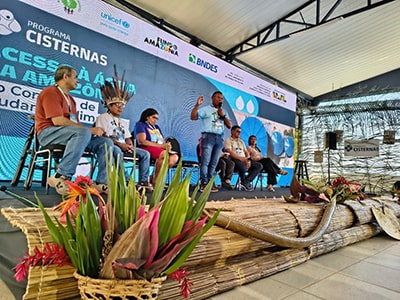
💧🌿 Seminar Highlights Access to Water in the Amazon Amid Climate Change
From July 16 to 18, 2025, the Brazilian government held the seminar “Access to Water in the Amazon in the Context of Climate Change” in Alter do Chão (PA), bringing together government officials, civil society, and local communities. The event focused on the challenges and progress of the Cisternas Program, which ensures access to safe water in remote regions of the Amazon, especially in the face of climate impacts.
A key moment of the seminar included the participation of the International Alliance of Waste Pickers (IAWP), underscoring the alliance’s broader engagement in environmental justice and community-led climate adaptation. Testimonies emphasized how water access technologies are improving food production, strengthening traditional economies, and opening access to public food procurement programs.
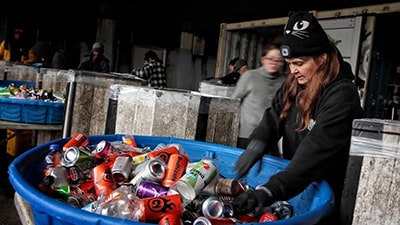
💧🌿 This Portland collective keeps the city clean
🌎♻️ In Portland, the Ground Score collective is transforming waste picking into dignified, low-barrier employment for unhoused and marginalized people, while helping keep the city clean. Their work highlights the essential environmental and social contributions of waste pickers—who, globally, collect much of the material that actually gets recycled. The article emphasizes the role of the International Alliance of Waste Pickers (IAWP) in advocating for these workers at the international level, including in the ongoing UN plastics treaty negotiations, where IAWP calls for a just transition that includes social protections and formal recognition of waste pickers’ labor.
Incoming
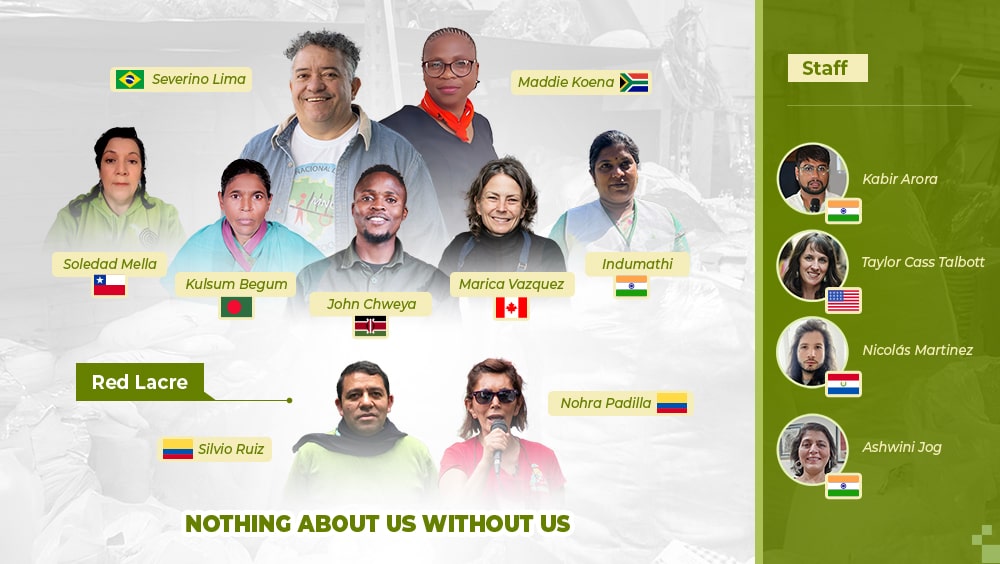
🌍📝 The INC-5.2 (Intergovernmental Negotiating Committee on Plastic Pollution) marks a crucial mid-point in the global negotiations for a legally binding plastics treaty under the United Nations. Held in Ottawa, Canada, this session focuses on advancing technical elements and financing mechanisms for implementing the future treaty. The International Alliance of Waste Pickers (IAWP) is participating actively, advocating for the inclusion of waste pickers in both the text and implementation of the treaty. We emphasize that a just transition must recognize the essential role of informal workers in global recycling systems and ensure protections, funding, and representation. 📣
We invite you to read our full position paper here
News
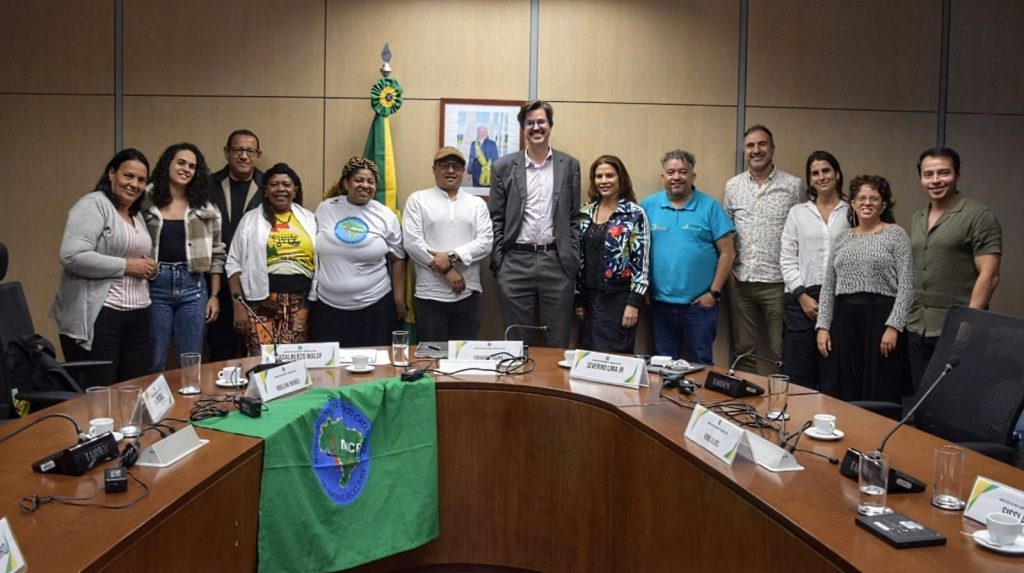
The International Alliance of Waste Pickers actively participated in a week-long International Congress, highlighting waste pickers as key climate actors. Through high-level meetings with Brazilian authorities and allies from Brazil, Colombia, Chile, and the Dominican Republic, the IAWP presented its project on organic waste innovation, signed cooperation agreements, and advocated for a Just Transition and inclusive financing in the global plastics treaty process.
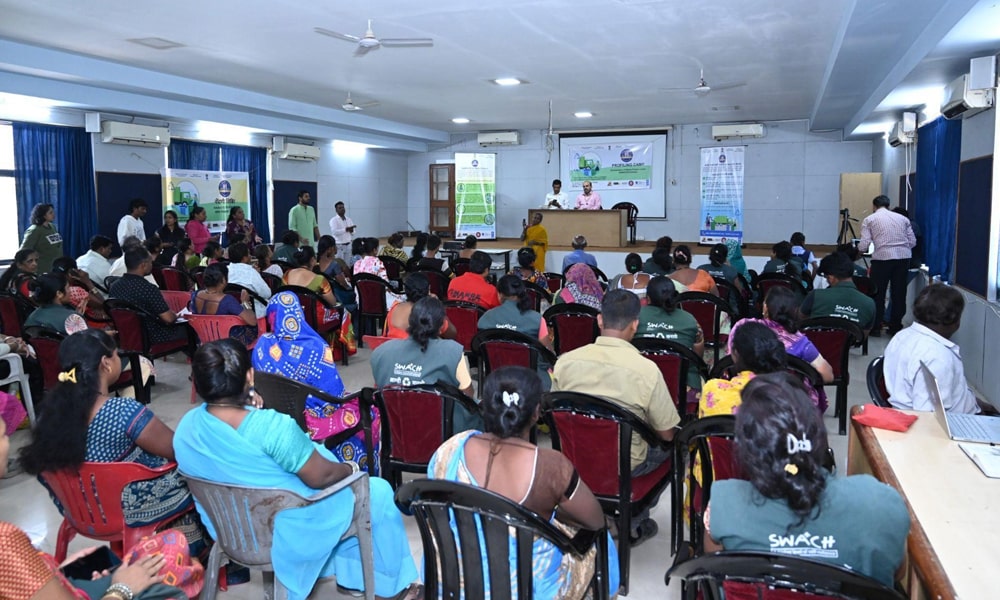
🇮🇳♻️ India launched the national NAMASTE program, a historic policy that officially recognizes waste pickers for the first time as part of the waste management system. The initiative includes their digital registration, access to labor rights, and connection to social security programs. As Sarika Kshirsagar from SWaCH stated: “Now, through the NAMASTE scheme, our official registration as workers is finally being recognized at the national level.”