How to cite
Valencia, M & Saltalippi, M (2026). Exploring Inclusive Reuse in Ecuador. GIZ, IAWP and RENAREC.
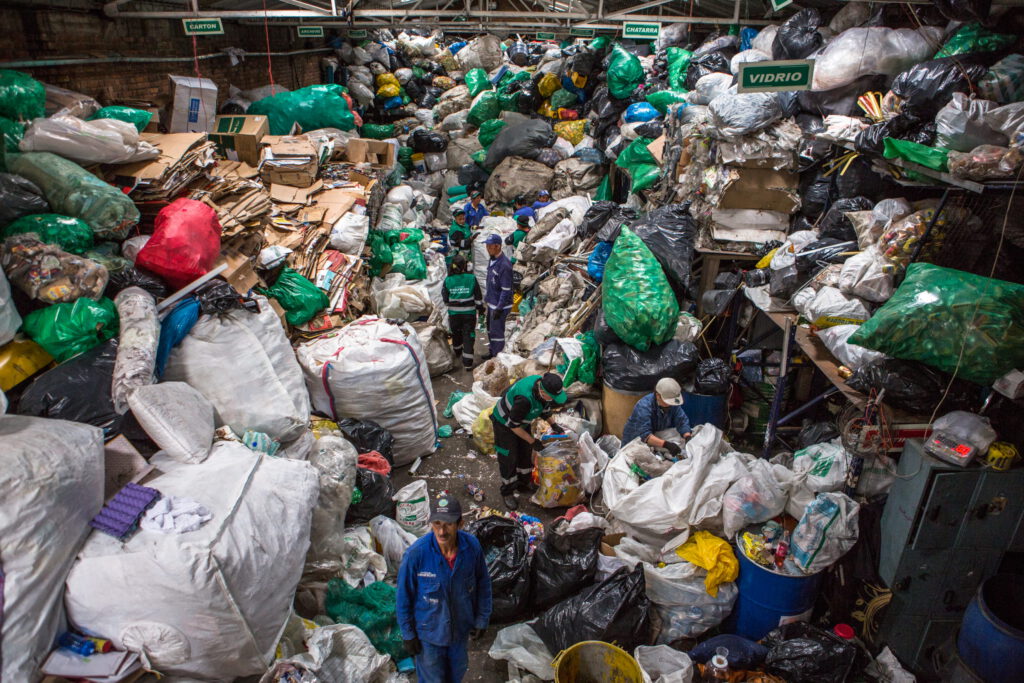
This publication, developed by researchers Melanie Valencia and Matteo Saltalippi in collaboration with the International Alliance of Waste Pickers (IAWP), RENAREC, and supported by GIZ, explores the essential role that waste pickers play in building and sustaining inclusive reuse economies in Ecuador. Through detailed case studies across multiple cities, the research highlights how waste pickers go far beyond recycling by recovering, repairing, repurposing, cleaning, sorting, and reintroducing a wide range of materials and products back into circulation.
Grounded in the broader framework of inclusive circular economy and environmental justice, the study examines how reuse practices carried out by waste pickers contribute to reducing plastic pollution, diverting waste from landfills, lowering greenhouse gas emissions, and strengthening local economies. At the same time, it identifies the structural barriers that continue to limit the recognition and scaling of these practices, including lack of policy support, insufficient infrastructure, weak institutional recognition, and the absence of formal mechanisms to value reuse within waste management systems.
The publication also documents how reuse activities often generate greater economic value than recycling alone, while sustaining community networks and forms of livelihood that have historically remained invisible within public policy debates. By centering the experiences and knowledge of waste pickers themselves, the report argues that they must be recognized not only as recyclers, but as key environmental workers and indispensable actors in any just transition toward more sustainable, democratic, and inclusive circular economies.